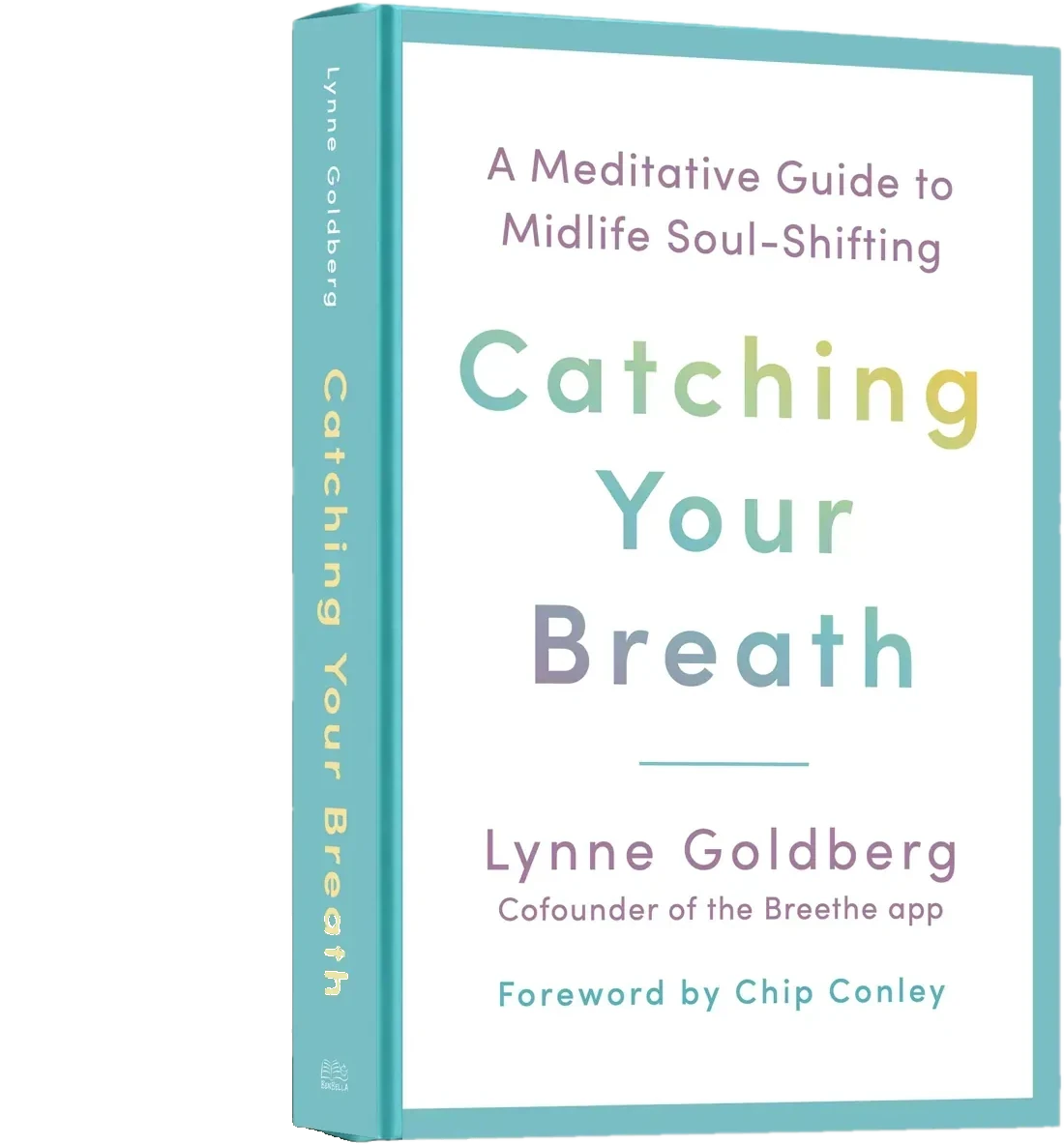
 Lynne Goldberg Meditation

If you’re grieving, you may have noticed that nobody tells you what to do with the hours, while the days keep coming and the dishes still need doing. And somewhere underneath all of it is a feeling so big it’s hard to look at directly.
I want to share what helped me, because grief is what brought me to meditation in the first place.
My path into meditation was not one I planned. It was one I needed.
How grief brought me to meditation
About thirty years ago, my life fell apart in a very short window. After eight years of trying to become pregnant, I delivered twin girls at six months, and they lived for two days. My mother was diagnosed with cancer, and I walked through her illness with her. She died at fifty-four. I lost my job. And then my marriage ended.
I’ll be honest with you. My coping skills at the time were Chardonnay, and a lot of other things that weren’t serving me well.
It was my mom’s doctor who suggested meditation to her, and I thought, well, if it can work for her, I’ll try that too. Meditation wasn’t popular back then, but I tried it, and slowly I thought, oh my God, this actually works.
It did not remove life’s challenges, but it profoundly changed how I experienced them.
What meditation can and can’t do when you’re grieving
Meditation won’t make your grief smaller, and it isn’t a way to skip the hard part. Mindfulness isn’t about making life perfect or removing pain. It’s about changing our relationship with whatever life brings.
What it gave me was a place to put my attention when everything felt too big. Grief tends to pull us into the past (what happened, what we should have done) or into a future we can’t picture yet. For me, a few minutes of noticing my breath brought me back to the one moment I could actually be in.
Years later, I went through another cluster of losses: two cancer diagnoses, the end of a long marriage, and my daughter leaving for school. This time I had a practice. What I found was that I could give myself permission to grieve, and also see that each of those events gave me a chance to choose what came next. I call that choicefulness, and it grew directly out of those years.
A gentle practice for when grief is close
Come as you are, and finish however you finish. This is simply a way to be with what’s here for a few minutes.
- Find something solid. Sit or lie down somewhere you feel supported. Notice where your body touches the surface, and let it hold you.
- Notice where you feel it. Grief often lives in the body: a tight chest, a heavy stomach, a lump in the throat. Gently notice where it is for you right now, without trying to change it.
- Breathe toward it. Breathe in slowly, and imagine the breath making a little room around that feeling. Breathe out, and let your shoulders drop if they want to.
- Name it, kindly. You might silently say, this is grief, or this is missing her. Naming a feeling with kindness can make it easier to stay with.
- Let it move. If tears come, let them, and if nothing comes, that’s okay too.
- Close with one small kindness. Before you get up, ask yourself what one small thing would help in the next hour, like a glass of water or a short walk, and let that be enough.
If grief keeps you awake, my article on making room for grief in the quiet of night has a practice made for bedtime.
Feel the feels
One of the steps I teach is simply this: give yourself permission to feel what comes up without judging it or rushing past it. So many of us were taught to hold it together for everyone else, and grief asks us to stop and feel instead.
This practice only asks that you’re willing to notice what’s here, even on the days you feel far from calm.
You don’t have to do this alone
When we share our feelings and what happens to us, there’s community around us. One of the things I believe most deeply is that the idea we’re alone in our experience just isn’t true. Let the people who love you in, even a little.
And if your grief feels like more than you can carry, or you’re having thoughts of not wanting to be here, please reach out to a doctor, a grief counselor, or a crisis line in your area. Meditation can sit beside that kind of support, and that help comes first.
Questions people ask me about grief and meditation
Is it okay to meditate if I cry?
Yes. Tears are part of it, and meditation simply asks you to be aware of whatever you’re experiencing, with kindness.
How long should I meditate when I’m grieving?
Start with a few minutes. Short practices you come back to matter more than long ones you dread. My five-minute meditation is a good place to begin.
Will meditation help me move on?
For me, healing has meant learning to carry what happened with more room around it, so that, in time, I could choose what came next.
Start where you are, and let that be enough for today.