 Lynne Goldberg Meditation

Maybe you’ve tried meditation before and decided you’re “not a sit-still kind of person,” or maybe you’re over fifty, life has changed a lot lately, and you’re wondering whether it’s too late to start.
It isn’t too late, and this can be a wonderful time to begin.
Meditation isn’t what you picture
When I started teaching, meditation seemed very odd to most people. You were either on a mountaintop or eating granola in the corner. I was not a Birkenstock girl. I was definitely a Manolo kind of gal. And I found that having both sides was really helpful, because it showed me meditation could fit into a real, busy, ordinary life.
Here’s what it actually is: present-moment awareness, without judgment, moment to moment. That’s all. You’re training yourself to notice what’s happening right now, instead of running ahead to the future or replaying what you should have done yesterday.
You don’t need thirty minutes
Most of us don’t have thirty minutes, or even twenty, to sit down and meditate. So I teach short practices: a few minutes, done often.
It’s a lot like the gym, because if you only go once in a while, you only get once-in-a-while results. Come back regularly and you start to strengthen your attention. The dose doesn’t have to be big. It’s better to do five minutes and actually do it than to say, “Ah, I don’t have the time.”
Meditation isn’t powerful because you do it once; it’s powerful because you return to it again and again.
Why it helps, especially now
So much of what happens in our bodies is survival mode. We’re always scanning: am I safe, is everything okay, is anything wrong? We have a natural negativity bias, a tendency to look for what might go wrong.
Today, most of what feels unsafe is something like a notification, or a text you’re waiting for, with that sense of anticipation that makes your heart pound. Your body reacts as if something bad is actually happening, with a rush of stress hormones, even when you’re just sitting on your couch.
Meditation teaches your body that it’s allowed to come out of that state. And in midlife, when so much can change at once (health, work, relationships, an empty house), that matters more than ever.
Three easy ways to begin
1. Five minutes with your breath
Sit somewhere comfortable. Notice your seat and your feet. Then notice your breath: the air as it touches your nostrils on the way in, and whether it feels cooler or warmer on the way out. When your mind wanders, which it will, just come back. My five-minute meditation for peace walks you through it step by step.
2. A walking meditation
If you already walk, you can turn that walk into a practice. Be present with your senses. Notice what you see, what you smell, the temperature of the air, the feel of your clothes on your skin. You’re just paying attention on purpose to everything happening around you.
3. A one-breath micro meditation
When your phone buzzes, or any time you feel your heart start to race, take one conscious breath. Breathe in for a count of four, hold it for a count of four and breathe out for a count of six. I call that a tiny micro meditation. Just taking that one breath, you’re signaling to your body, it’s okay, I’ve got this.
Make it a bookend to your day
I didn’t start the way I practice now. I started at three in the morning, when I woke up. Today, my morning and evening meditations are like bookends to my day. When I miss them, I notice I’m not as effective, and I miss things. Sitting down in the evening often shows me things I didn’t notice while the day was rushing by.
Start with one small moment you can return to, and it doesn’t have to look like my routine. Start your day before your phone starts your day, even if it’s only for a few breaths.
Questions beginners ask me
Am I too old to start meditating?
No. Meditation is a skill you can train at any age, and it can help most when life is changing.
What if I can’t stop my thoughts?
You don’t have to. The practice is noticing where your mind went and gently coming back. Every time you do that, you’re practicing.
Do I have to sit on the floor?
No. Sit in a chair, on your couch, or on the edge of your bed. You can even meditate while you walk.
How soon will I notice a difference?
The more often you come back, the more you’ll notice. Start where you are. Be willing to be a beginner, make mistakes, and trust that growth comes from showing up consistently, not from being perfect.
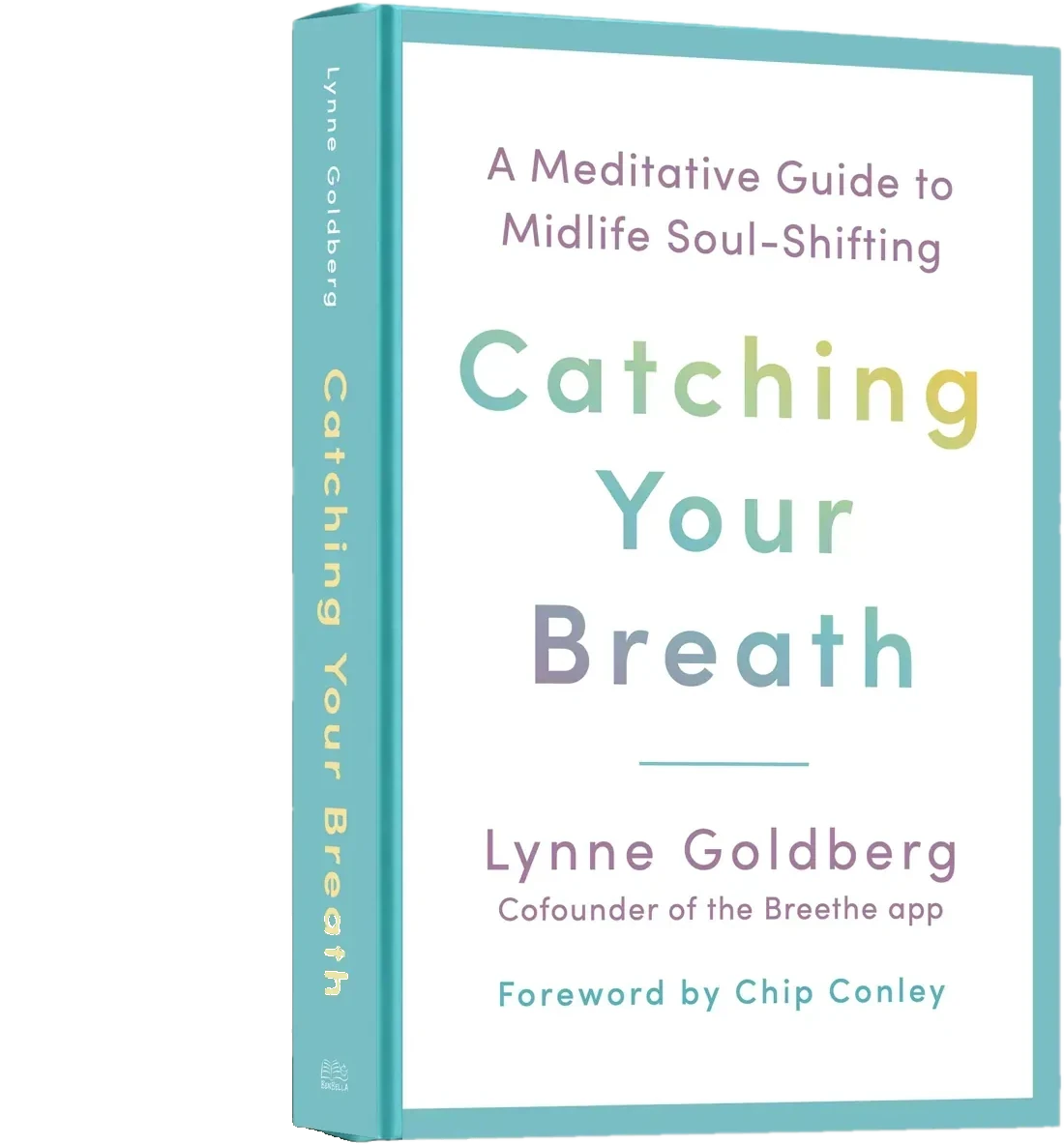
When you’re ready to go deeper, my approach to life’s big changes is in my book, Catching Your Breath, and the idea at its heart is choicefulness.